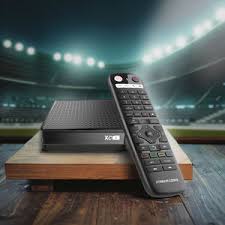
Sky Glass IPTV UK Tips for Better Picture Quality
Introduction to High Quality Streaming Experience
Modern entertainment depends heavily on streaming quality, clarity, and stability. Viewers expect sharp visuals, smooth playback, and consistent performance across all devices. Achieving this level of experience requires proper setup, optimized internet conditions, and correct device configuration.
Sky glass iptv uk has become a widely discussed solution for users who want access to live TV, movies, and sports with flexible streaming options. However, many users do not fully optimize their settings, which leads to buffering, pixelation, or reduced clarity.
In this guide, we focus on practical and effective methods to improve picture quality so users can enjoy a more stable and visually enhanced experience.
Understanding IPTV Picture Quality and Performance Factors
Picture quality in IPTV streaming depends on multiple technical elements working together. These include internet speed, server stability, device capability, resolution settings, and network configuration.
When all factors are properly aligned, users can experience HD or even 4K level clarity. However, any weak link in the chain can reduce performance significantly.
With Sky glass iptv uk, streaming quality is designed to adjust automatically, but manual optimization often delivers even better results. Understanding how these systems work helps users improve their viewing experience significantly.
Internet Speed and Bandwidth Optimization
Internet speed is the foundation of high quality streaming. Without sufficient bandwidth, even the best IPTV service cannot deliver smooth playback.
For standard HD streaming, a stable connection of at least 10 Mbps is recommended. For 4K content, higher speeds are required to maintain consistency without buffering.
One of the most effective ways to improve performance is to reduce network congestion. This can be done by disconnecting unused devices, avoiding large downloads during streaming, and using wired connections instead of Wi Fi whenever possible.
A stable connection ensures that Sky glass iptv uk delivers consistent clarity without interruptions or delays.
Choosing the Right Display and Resolution Settings
Display settings play a major role in perceived picture quality. Many users leave default settings unchanged, which can limit performance.
Most modern devices allow users to manually select resolution options such as 720p, 1080p, or 4K. Choosing the correct resolution based on internet capability ensures smoother playback.
It is also important to match display refresh rates with content type. A mismatch can lead to motion blur or stuttering during fast moving scenes such as sports or action movies.
Proper configuration ensures that Sky glass iptv uk streams appear sharp and fluid across all content types.
Router Placement and Network Stability
Network stability is often overlooked but has a significant impact on streaming quality. Poor router placement can lead to weak signals, resulting in buffering and reduced clarity.
Placing the router in a central location improves signal distribution throughout the home. Avoiding physical obstructions such as walls and metal objects can also enhance performance.
For better results, using dual band routers allows users to switch between 2.4 GHz and 5 GHz frequencies depending on distance and speed requirements.
A stable network ensures that Sky glass iptv uk maintains consistent performance even during peak usage hours.
Device Performance and Hardware Optimization
Device capability directly influences streaming quality. Older devices may struggle with high resolution content, resulting in lag or reduced clarity.
To improve performance, users should regularly clear cache data, close background applications, and ensure software updates are installed.
Modern smart TVs, streaming boxes, and mobile devices are optimized for high definition playback, making them ideal for IPTV usage.
When properly optimized, Sky glass iptv uk can deliver a significantly improved viewing experience with minimal interruptions.
Streaming Settings and Application Optimization
Many IPTV applications include built in settings that allow users to adjust buffer size, video decoding options, and playback quality.
Increasing buffer size can help reduce interruptions during unstable network conditions. Adjusting decoder settings can also improve compatibility with different devices.
Some apps offer adaptive streaming, which automatically adjusts quality based on real time network performance. Enabling this feature helps maintain smooth playback without manual intervention.
These adjustments enhance how Sky glass iptv uk performs under varying network conditions.
Reducing Network Interference and External Load
External interference from other devices can reduce streaming quality. Smart home devices, gaming consoles, and multiple active connections can consume bandwidth and affect performance.
Switching off unnecessary devices or prioritizing streaming traffic through router settings can significantly improve picture quality.
Using Ethernet connections instead of Wi Fi is another effective method to eliminate interference and ensure stable data transfer.
This ensures that Sky glass iptv uk delivers uninterrupted and high quality visuals consistently.
Advanced Tips for Maximum Picture Clarity
Advanced users can take additional steps to further enhance streaming quality. These include adjusting DNS settings, using high performance routers, and enabling quality of service (QoS) features.
QoS settings allow users to prioritize streaming traffic over other network activities. This ensures that video playback receives maximum bandwidth even when multiple devices are connected.
Regular maintenance of devices and network equipment also contributes to long term performance stability.
These advanced methods help unlock the full potential of Sky glass iptv uk for premium viewing experiences.
Common Mistakes That Reduce Picture Quality
Many users experience poor streaming quality due to simple mistakes that are easy to fix.
One common issue is using low speed internet plans that are not suitable for HD or 4K streaming. Another issue is overcrowded Wi Fi networks with too many connected devices.
Outdated firmware or applications can also negatively affect performance. Keeping all systems updated ensures better compatibility and smoother playback.
Avoiding these mistakes helps maintain consistent performance and allows Sky glass iptv uk to function at its best.
Future Improvements in Streaming Technology
Streaming technology continues to evolve rapidly, offering better compression techniques, faster load times, and improved resolution support.
Future developments such as AI based optimization and cloud driven encoding will further enhance picture quality and reduce buffering issues.
As infrastructure improves globally, users will experience even more stable and high definition streaming across all devices.
These advancements will continue to improve how Sky glass iptv uk performs in modern entertainment environments.
Conclusion
High quality streaming depends on a combination of strong internet performance, optimized devices, and proper configuration settings. By applying the right techniques, users can significantly enhance their viewing experience and enjoy smoother playback with improved clarity.
Sky glass iptv uk offers a flexible streaming solution, but its full potential is unlocked only when users optimize their setup correctly. With the right adjustments, viewers can achieve stable, high definition entertainment across all devices.
FAQs
1. Why is my IPTV picture quality low?
Low picture quality is usually caused by slow internet speeds, network congestion, or incorrect resolution settings.
2. How can I improve streaming clarity on IPTV?
Improving internet speed, using wired connections, and adjusting resolution settings can significantly enhance clarity.
3. Does device type affect IPTV quality?
Yes, older devices may struggle with high resolution content, while modern devices provide smoother playback.
4. Can router placement improve streaming performance?
Yes, proper router placement improves signal strength and reduces buffering issues.
5. Is wired connection better than Wi Fi for IPTV?
Yes, Ethernet connections provide more stable and consistent performance compared to wireless networks.