IPTV Subscription USA Explained in Simple Words for New Users
The way we watch television has changed dramatically over the last decade. Traditional cable and satellite services once dominated home entertainment, but modern viewers now demand greater flexibility, lower costs, and access to content anytime and anywhere. As a result, IPTV has become one of the fastest-growing alternatives to conventional television services.
For many beginners, the concept of IPTV may seem confusing at first. Technical terms, streaming platforms, device compatibility, and subscription options can make it difficult to understand exactly how everything works. Fortunately, learning the basics is much easier than most people expect.
In this comprehensive guide, we explain IPTV Subscription USA in simple words, helping new users understand what IPTV is, how it works, its benefits, available features, compatible devices, and what to consider before choosing a service. Whether you are completely new to IPTV or simply exploring alternatives to cable television, this guide provides everything needed to understand the modern streaming landscape.
What Is IPTV?
IPTV stands for Internet Protocol Television. Instead of receiving television channels through satellite signals or cable lines, IPTV delivers television content through an internet connection.
This means viewers can watch live television, movies, sports, documentaries, entertainment programs, and on-demand content using internet-connected devices.
A typical IPTV Subscription USA provides access to a large collection of channels and content through a streaming platform. Rather than depending on traditional broadcasting infrastructure, IPTV uses internet technology to deliver media directly to viewers.
This modern approach has transformed how millions of people consume entertainment.
How IPTV Works
The process behind IPTV is surprisingly simple.
When a viewer selects a channel or program, the IPTV service sends the requested content through internet servers directly to the user’s device. The content is streamed in real time, allowing immediate viewing without downloading large files.
The system generally involves three key components:
Content Source
Television channels, movies, sports events, and other programming are collected and organized by service providers.
Internet Connection
The content travels through broadband internet networks rather than traditional cable systems.
Viewing Device
The user watches content on a compatible device such as a Smart TV, streaming box, smartphone, tablet, or computer.
A quality IPTV Subscription USA combines these elements to create a seamless viewing experience.
Why IPTV Has Become Popular in the United States
The popularity of IPTV continues growing throughout the United States because it addresses many frustrations associated with traditional television services.
Lower Costs
Cable subscriptions often include:
- Equipment rental fees
- Installation charges
- Long-term contracts
- Additional service costs
IPTV frequently offers a more affordable alternative while providing extensive content options.
Greater Flexibility
Viewers can watch content on multiple devices and locations, making entertainment more accessible than ever.
Expanded Channel Selection
Many IPTV services provide access to:
- Sports channels
- News networks
- Movie channels
- International programming
- Entertainment content
- Children’s programming
This broad content variety contributes significantly to the appeal of an IPTV Subscription USA.
Types of IPTV Content Available
Modern IPTV services offer multiple categories of content.
Live Television
Live TV remains one of the most popular features.
Users can watch:
- News broadcasts
- Sporting events
- Entertainment programs
- Reality shows
- Live special events
Video on Demand
Many IPTV platforms include extensive on-demand libraries.
This allows viewers to watch content whenever convenient rather than following broadcast schedules.
Sports Programming
Sports enthusiasts often appreciate IPTV’s ability to provide broad access to sporting events from around the world.
International Channels
Many services offer channels from different countries and languages, making IPTV attractive for multicultural households.
Devices That Support IPTV
One of the biggest advantages of IPTV is device flexibility.
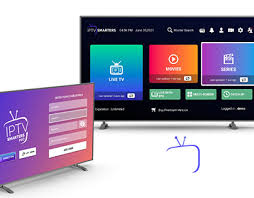
Smart TVs
Many modern televisions support IPTV applications directly.
Streaming Devices
Dedicated streaming devices provide enhanced IPTV performance and user experience.
Smartphones and Tablets
Mobile devices allow users to watch content while traveling or away from home.
Computers and Laptops
Desktop and laptop systems can also access IPTV services through compatible software.
The versatility of an IPTV Subscription USA allows viewers to enjoy content across multiple platforms.
Benefits of IPTV for New Users
Easy Access to Entertainment
IPTV simplifies content access by combining numerous channels and content categories into a single viewing environment.
Flexible Viewing Schedules
Viewers are no longer restricted to traditional broadcast schedules.
Content can often be watched whenever convenient.
Wide Range of Content
Different family members can enjoy diverse programming preferences through a single service.
Improved User Control
Modern IPTV platforms often include features such as:
- Favorites lists
- Search functions
- Program guides
- Playback controls
- Personalized settings
These tools improve the overall viewing experience.
Understanding IPTV Features
Electronic Program Guide (EPG)
An Electronic Program Guide displays schedules and upcoming broadcasts.
This feature helps users quickly locate desired programs.
Favorites Management
Users can organize preferred channels into custom lists for faster access.
Catch-Up Television
Some services allow viewers to watch previously aired programs.
Recording Capabilities
Certain IPTV platforms support recording functions that allow content to be viewed later.
These features increase the value of an IPTV Subscription USA and contribute to greater viewing convenience.
Internet Requirements for IPTV
Reliable internet service plays a critical role in streaming quality.
Recommended speeds generally include:
- HD Streaming: 15 Mbps or higher
- Full HD Streaming: 25 Mbps or higher
- 4K Streaming: 50 Mbps or higher
Faster internet connections typically provide smoother playback and fewer interruptions.
Wired vs Wireless Connections
While Wi-Fi is convenient, wired Ethernet connections often deliver:
- Better stability
- Lower latency
- Faster data transfer
- More consistent performance
For optimal streaming, many users prefer Ethernet connectivity.
Common IPTV Terms New Users Should Know
Playlist
A playlist contains channel information used by IPTV applications.
Buffering
Buffering occurs when streaming temporarily pauses while data loads.
EPG
Electronic Program Guide information that displays channel schedules.
Stream Quality
Refers to the visual resolution and playback performance of content.
Understanding these terms makes it easier for beginners to navigate the IPTV environment.
How IPTV Differs From Traditional Cable
Several key differences separate IPTV from cable television.
Delivery Method
Cable uses physical infrastructure while IPTV relies on internet connections.
Flexibility
IPTV offers greater device compatibility and viewing freedom.
Content Accessibility
Users can often access broader content libraries through IPTV services.
Customization
Many IPTV platforms provide personalized channel organization and viewing preferences.
These advantages explain why more consumers are exploring IPTV Subscription USA solutions.
Who Can Benefit From IPTV?
Families
Large content libraries provide entertainment options for every age group.
Sports Fans
Extensive sports coverage appeals to dedicated enthusiasts.
Movie Lovers
On-demand libraries offer convenient access to film collections.
Travelers
Mobile compatibility allows users to access content from multiple locations.
International Viewers
Global channel selections support diverse language and cultural preferences.
Common Mistakes New IPTV Users Should Avoid
Many beginners encounter avoidable issues during setup.
Common mistakes include:
- Using slow internet connections
- Ignoring software updates
- Overloading devices with unnecessary apps
- Choosing incompatible hardware
- Neglecting playlist organization
Avoiding these problems helps create a smoother viewing experience.
The Future of IPTV in America
The IPTV industry continues expanding rapidly.
Several trends indicate strong future growth:
Faster Internet Infrastructure
Broadband improvements support higher-quality streaming.
More High-Resolution Content
4K and emerging 8K content libraries continue growing.
Enhanced User Experiences
Future IPTV platforms will likely include smarter recommendations and advanced personalization features.
Increased Consumer Adoption
As viewers continue seeking alternatives to expensive cable packages, demand for IPTV Subscription USA services is expected to rise further.
Why IPTV Continues to Gain Attention
Modern consumers value convenience, affordability, and flexibility.
IPTV addresses these priorities by offering:
- Extensive content libraries
- Multi-device access
- On-demand viewing
- Cost-effective entertainment
- User-friendly features
These advantages have positioned IPTV as one of the most significant developments in modern television technology.
Conclusion
Understanding IPTV does not require technical expertise. At its core, IPTV simply delivers television content through the internet rather than traditional cable or satellite systems. This approach offers greater flexibility, broader content access, and improved viewing convenience for modern audiences.
For new users exploring alternatives to traditional television, an IPTV Subscription USA can provide a practical and versatile entertainment solution. With support for live television, on-demand content, sports programming, international channels, and multi-device viewing, IPTV continues redefining how Americans consume media. As streaming technology advances and internet infrastructure improves, IPTV is expected to remain a major force in the future of home entertainment.
FAQs
1. What does IPTV stand for?
IPTV stands for Internet Protocol Television, which delivers television content through internet connections instead of traditional cable or satellite systems.
2. Is IPTV difficult for beginners to use?
No. Most IPTV platforms are designed with user-friendly interfaces that make navigation simple even for first-time users.
3. What devices can be used with IPTV?
IPTV works on Smart TVs, streaming devices, smartphones, tablets, computers, and other internet-connected devices.
4. Does IPTV require fast internet?
Yes. A stable broadband connection helps ensure smooth streaming and better video quality.
5. Can IPTV provide live television channels?
Yes. Most IPTV services offer live television channels alongside movies, sports, and on-demand content.
For more information: TiviMate IPTV USA